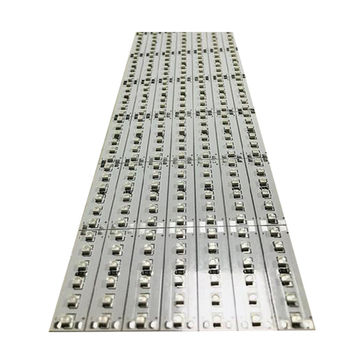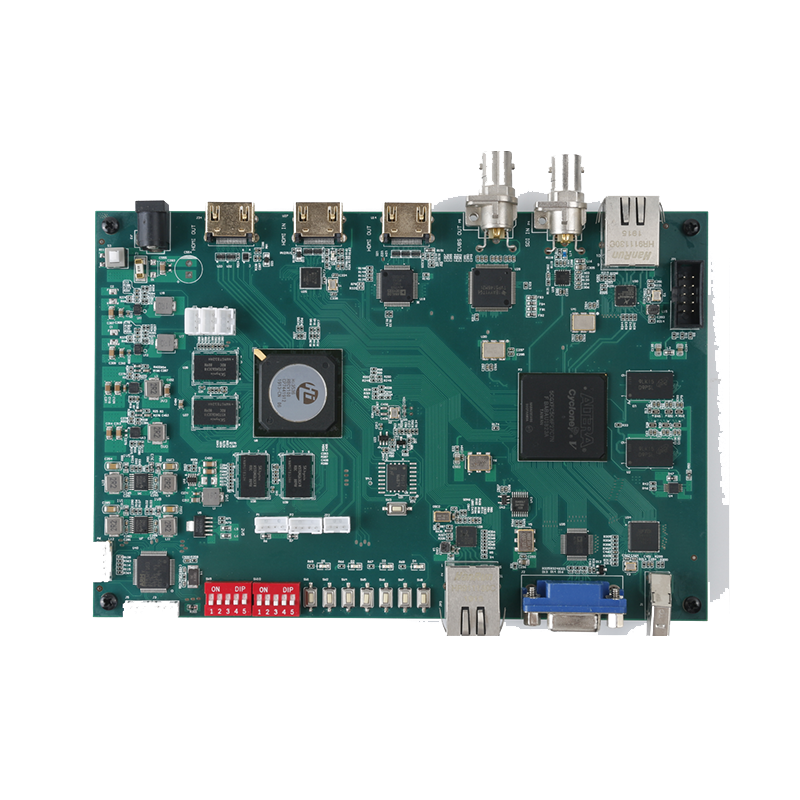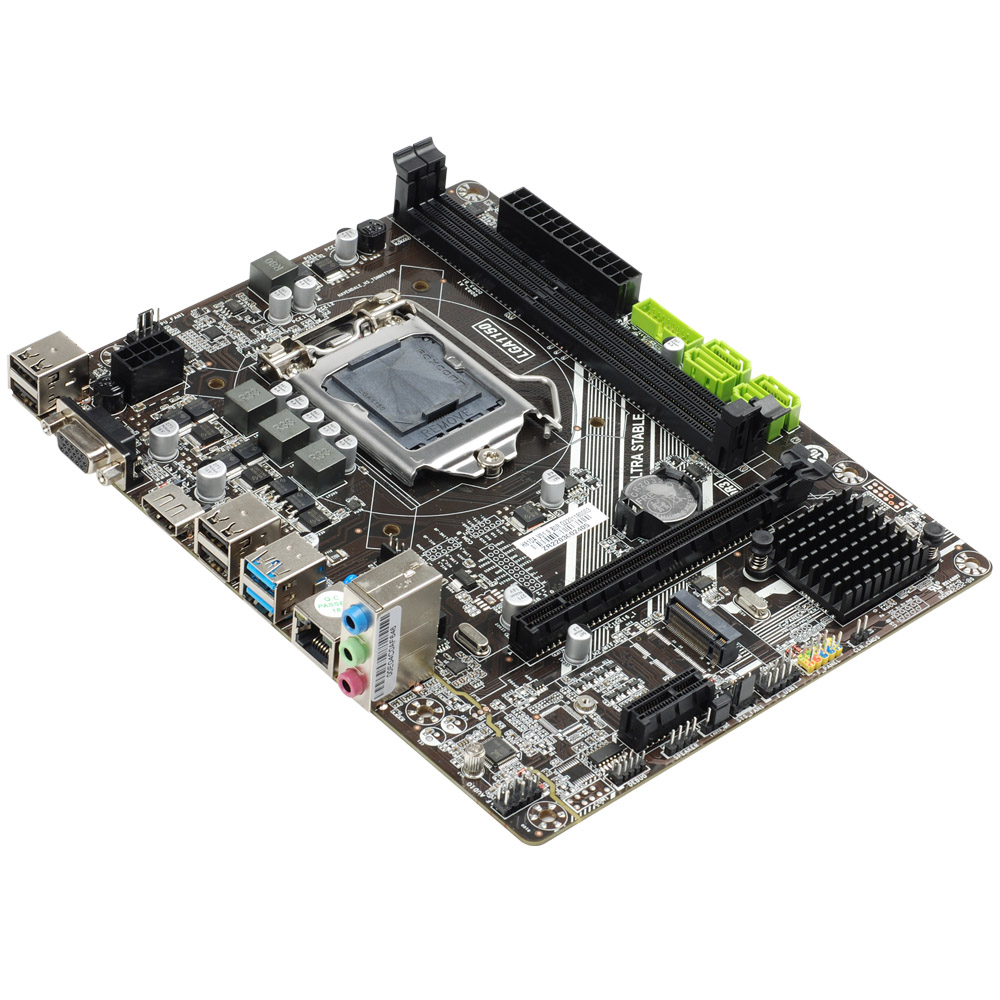
**Advancements in PCB Assembly: Enhancing Electronic Manufacturing Efficiency**In today’s rapidly evolving electronics industry, the assembly of printed circuit boards (PCBs) remains a critical and highly specialized process that directly influences the reliability and performance of electronic devices. Recent developments in PCB assembly techniques, combined with innovative manufacturing practices, are enabling companies to meet growing market demands for speed, precision, and quality.The assembly of a PCB involves mounting various electronic components onto the board using surface mount technology (SMT), through-hole technology, or a combination of both. This process requires not only technical expertise but also strict adherence to quality standards to prevent failures and ensure the longevity of finished products.One of the key trends in PCB assembly is automation, which increases production efficiency while reducing human error. Automated pick-and-place machines, reflow soldering ovens, and optical inspection systems have become standard in modern assembly lines. These technologies allow manufacturers to produce high volumes of PCBs with consistent quality, which is vital for sectors such as telecommunications, automotive electronics, medical devices, and consumer electronics.Another important aspect of PCB assembly is supply chain management. Procuring high-quality components and managing logistics effectively ensures that production schedules remain on track. Advanced inventory management systems and just-in-time delivery practices help to minimize delays and reduce storage costs, enabling manufacturers to be more responsive to customer needs.Quality control also plays a central role in PCB assembly. Comprehensive testing procedures, including automated optical inspection (AOI), X-ray inspection, and functional testing, help identify defects early in the production process. This reduces rework costs and improves overall product reliability.Moreover, environmental considerations have become integral to PCB assembly processes. Many manufacturers are adopting lead-free soldering techniques in compliance with international standards such as RoHS (Restriction of Hazardous Substances). This not only aligns with global sustainability goals but also addresses regulatory requirements in various markets.In addition to technological enhancements, customization has emerged as a significant competitive differentiator. Electronics manufacturers are increasingly requesting tailored PCB assembly solutions to meet specific design requirements, size constraints, and performance criteria. Flexible manufacturing systems and close collaboration between design and production teams allow for more efficient realization of customized products.To stay at the forefront of PCB assembly, companies are investing heavily in research and development. Exploring new materials, advanced soldering techniques, and innovative inspection methods ensures that PCB assembly processes continue to evolve in line with emerging technological trends.Overall, the advances in PCB assembly are enabling the electronics industry to innovate faster and deliver higher-quality products. As the demand for smarter, more connected devices grows, the role of efficient and reliable PCB assembly will only become more crucial.---*About [Company Name]*[Company Name] is a leading provider of PCB assembly services known for its commitment to quality, innovation, and customer satisfaction. With a robust manufacturing infrastructure equipped with state-of-the-art automated assembly lines, the company serves a diverse range of industries including telecommunications, automotive, healthcare, and consumer electronics.Leveraging years of experience and a highly skilled workforce, [Company Name] offers comprehensive PCB assembly solutions including SMT and through-hole assembly, prototype development, and full turnkey manufacturing. The company emphasizes stringent quality control measures and complies with international standards to ensure that each product meets rigorous performance expectations.[Company Name] also prioritizes sustainable manufacturing practices by utilizing lead-free soldering and environmentally responsible materials, contributing to a greener electronics supply chain. Its customer-centric approach facilitates close collaboration throughout the product development lifecycle, enabling highly customized and efficient production outcomes.With continuous investments in technology and personnel training, [Company Name] remains dedicated to advancing PCB assembly techniques to support the evolving needs of the global electronics market.
Read More